 Image 1 of 2
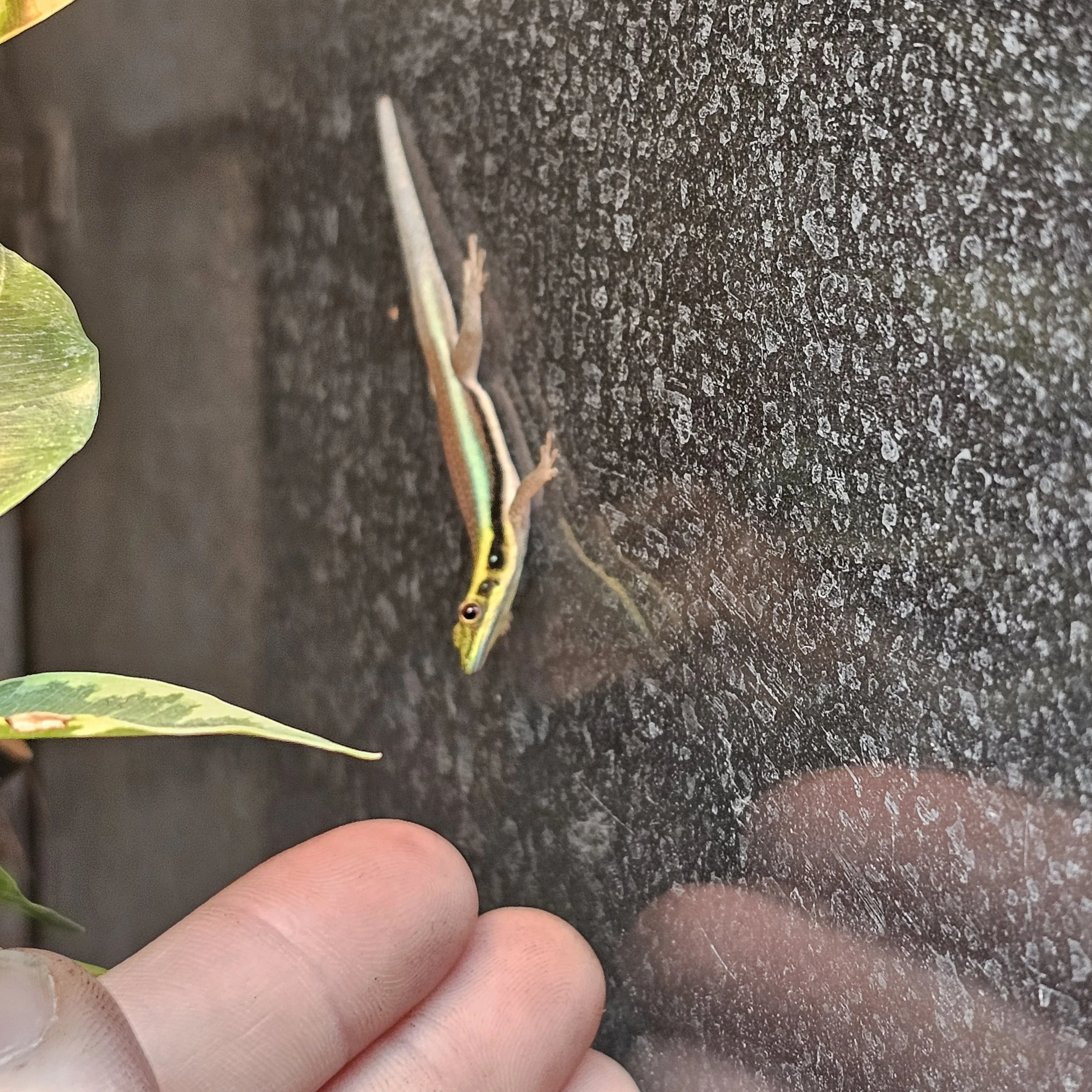 Image 2 of 2
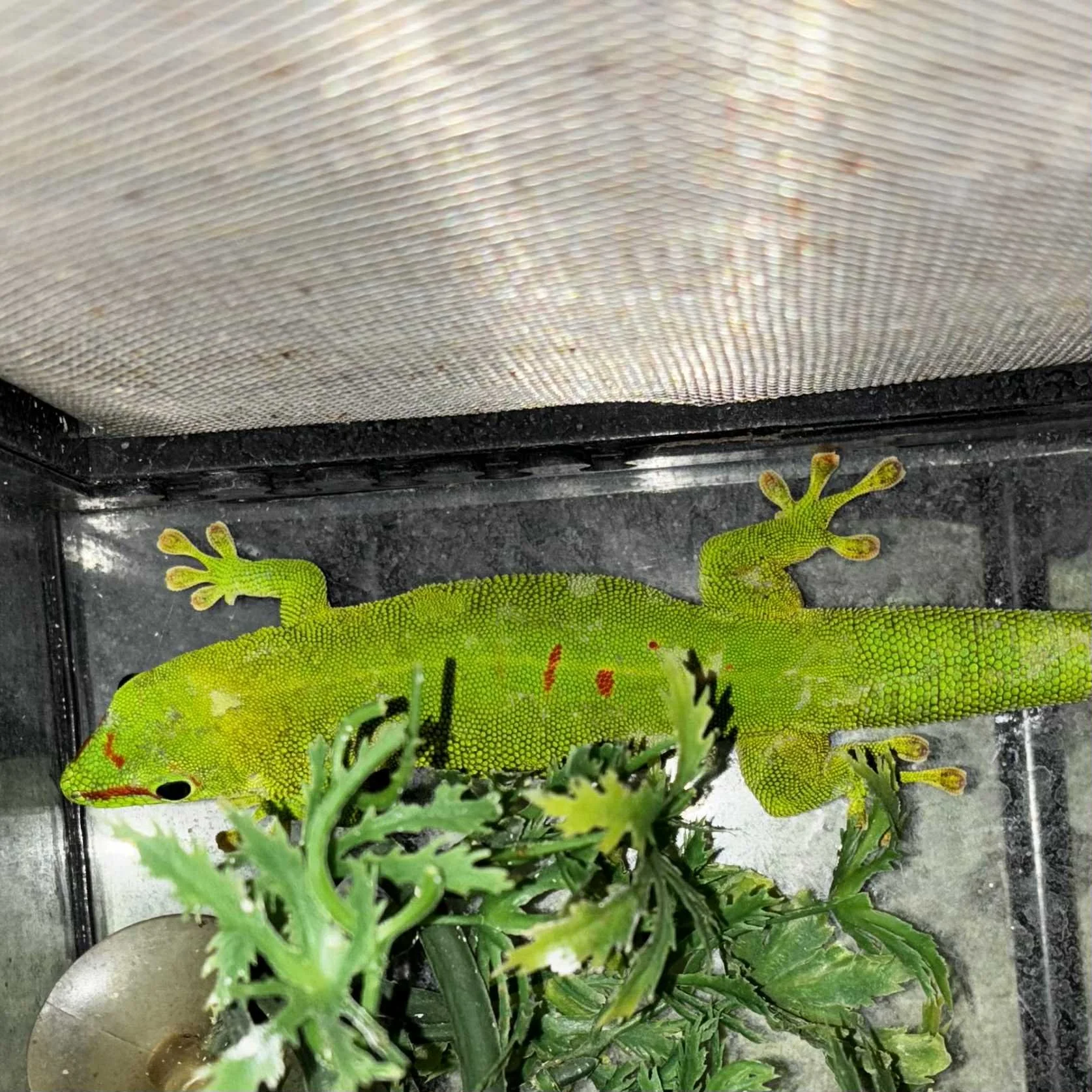
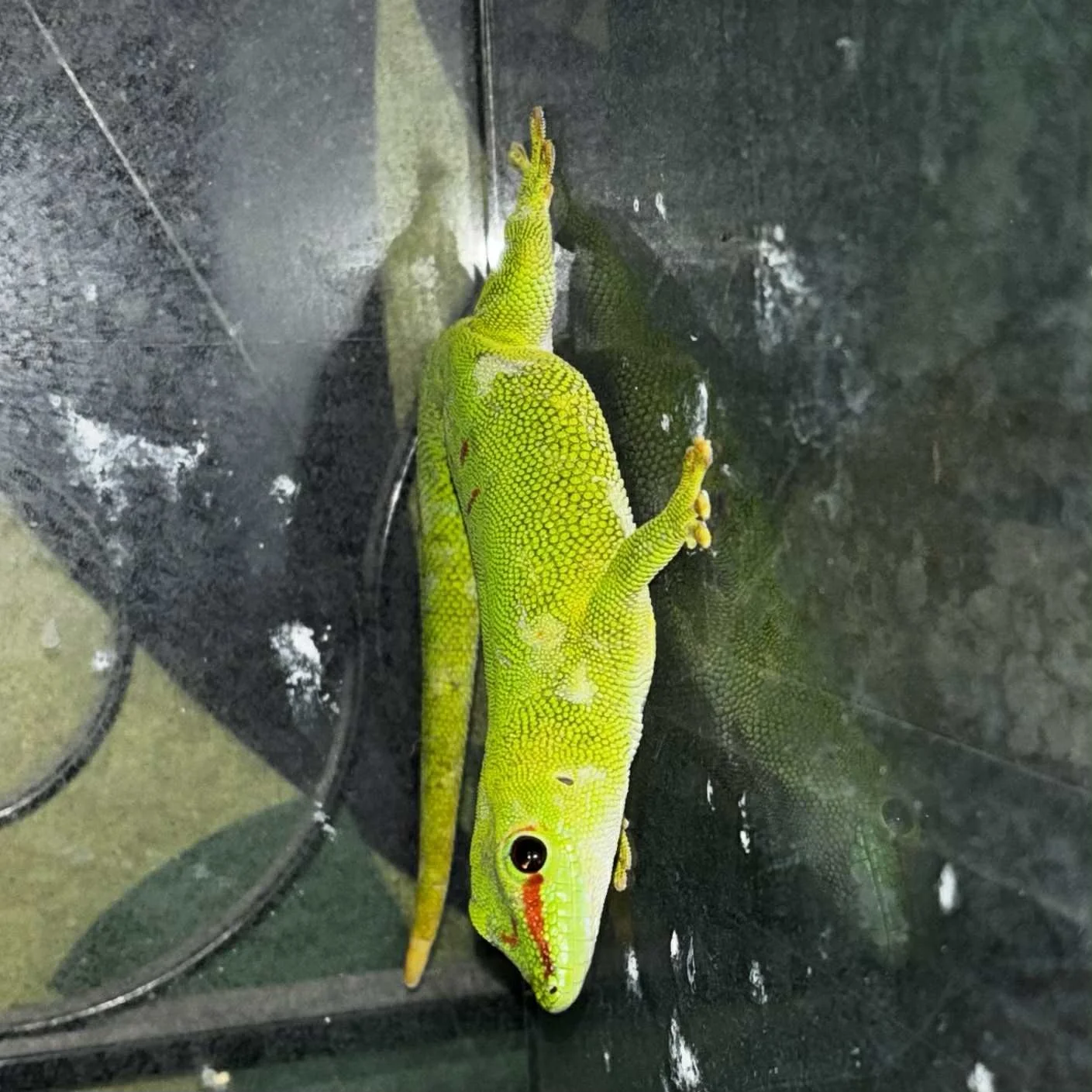
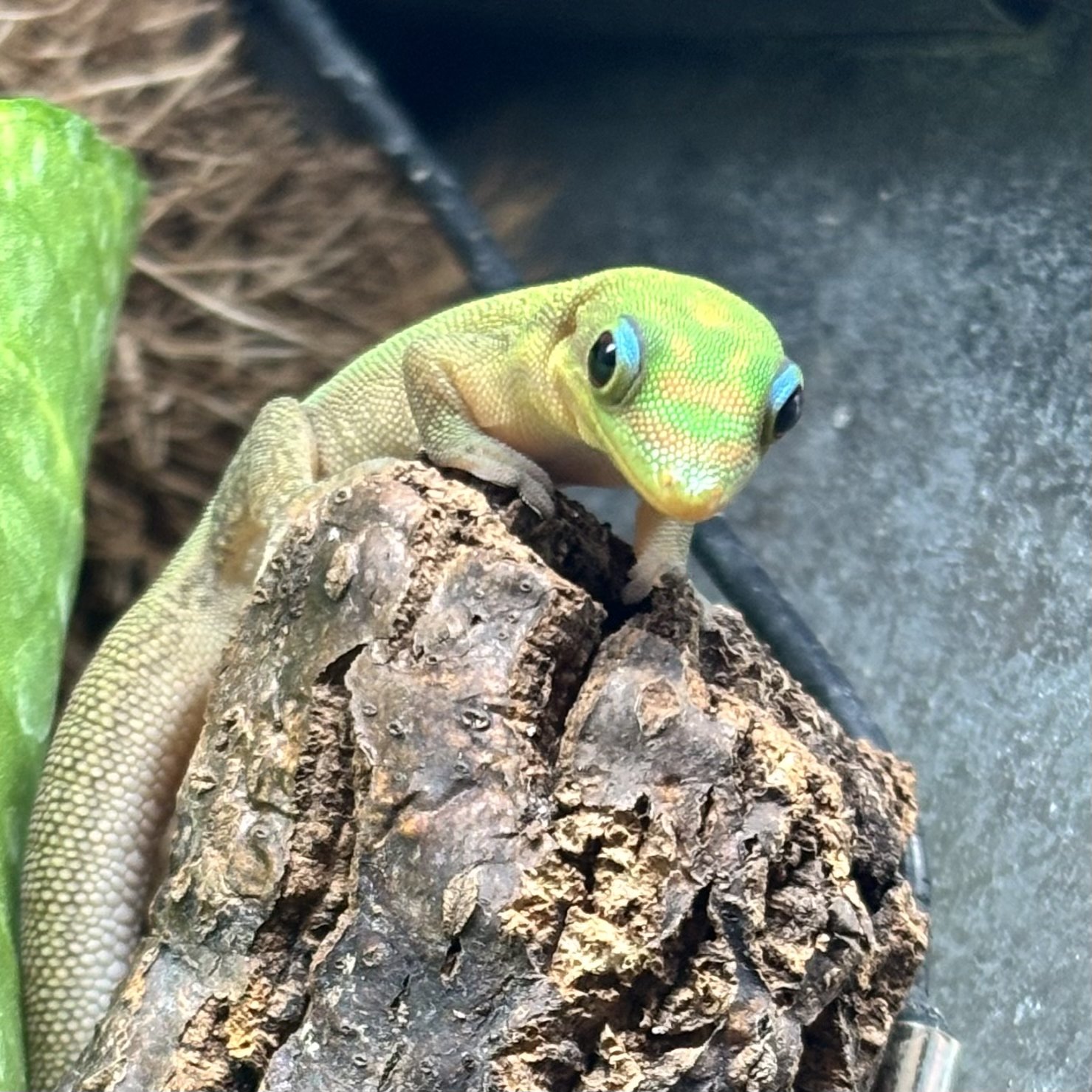
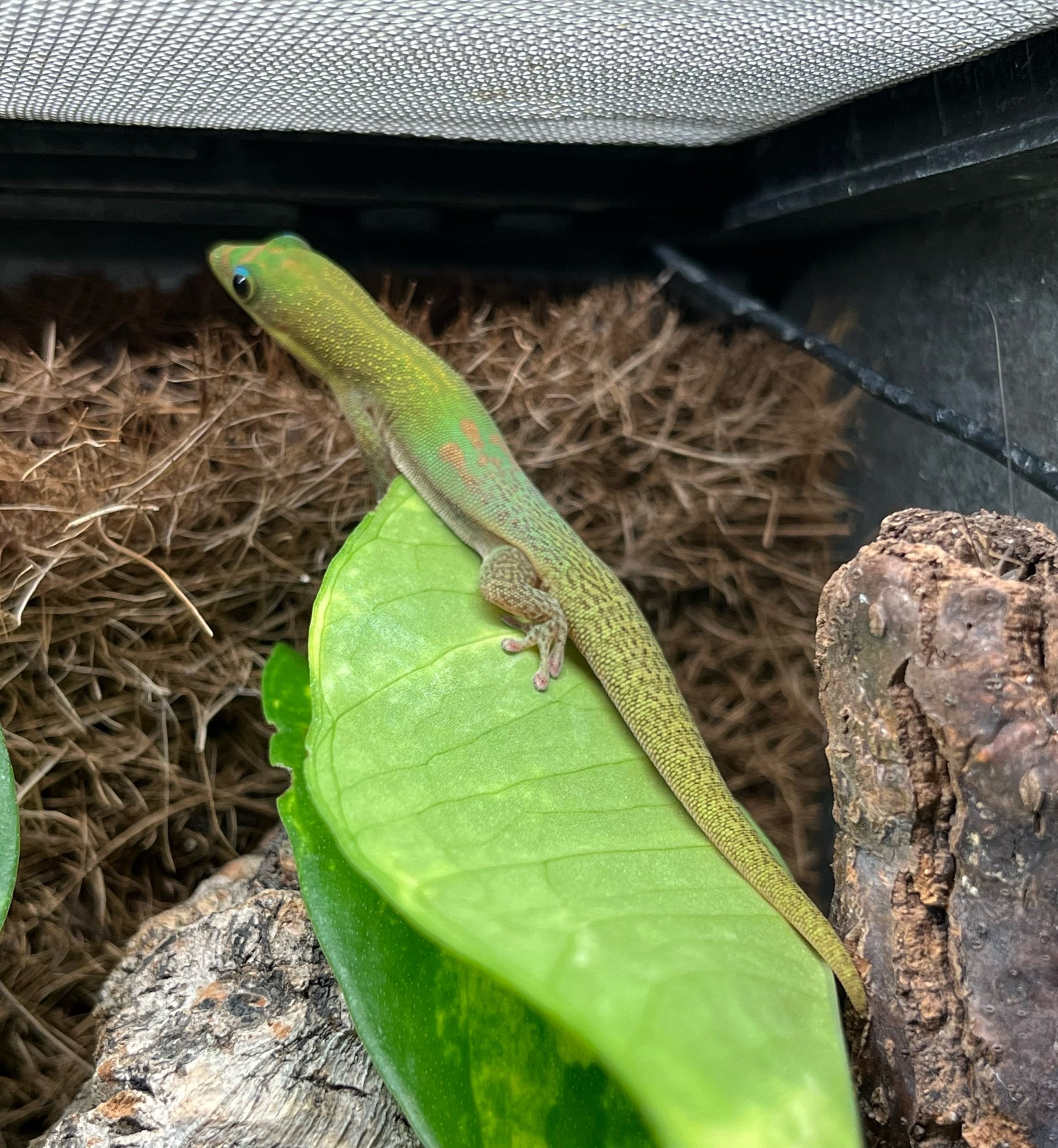
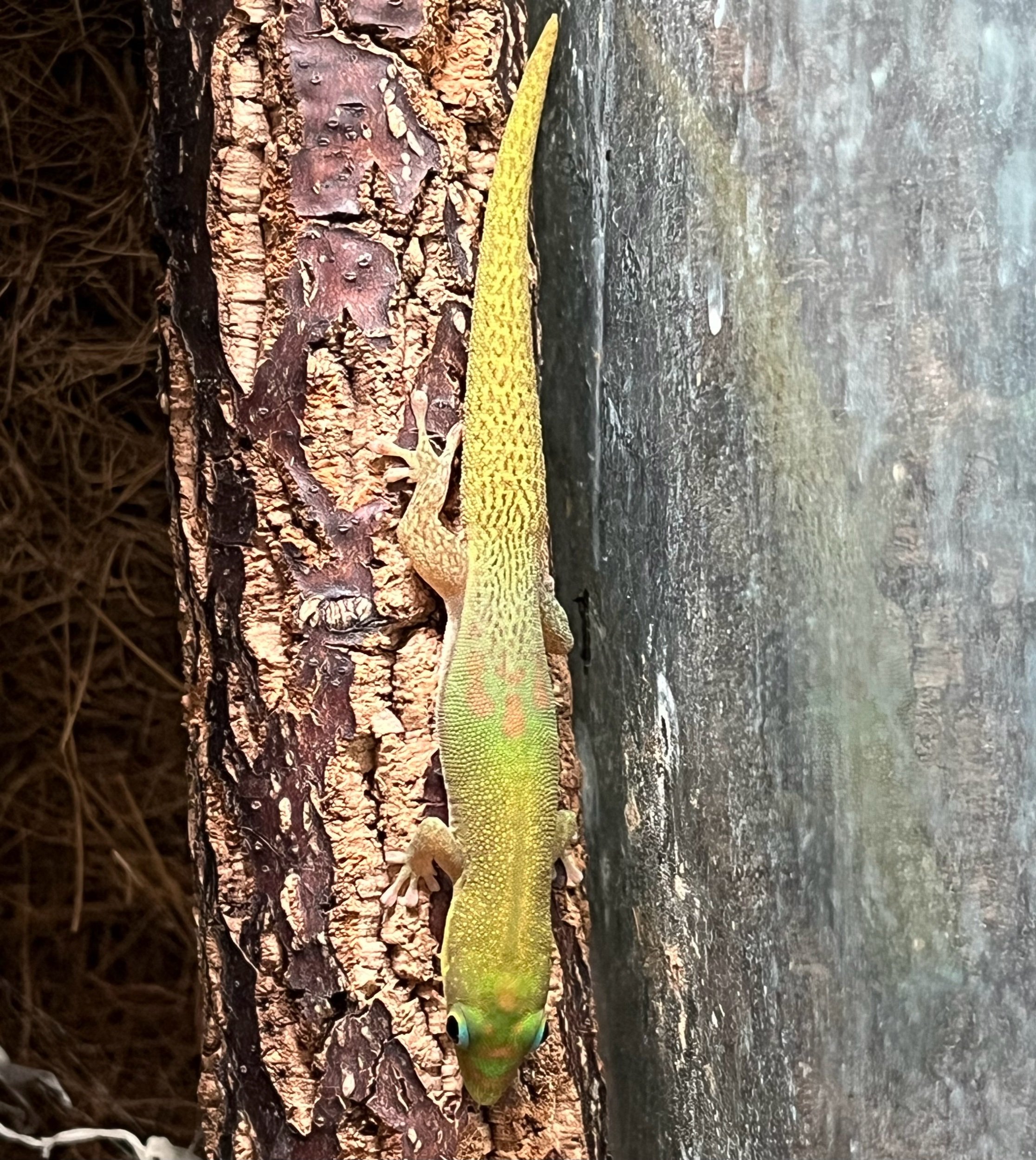
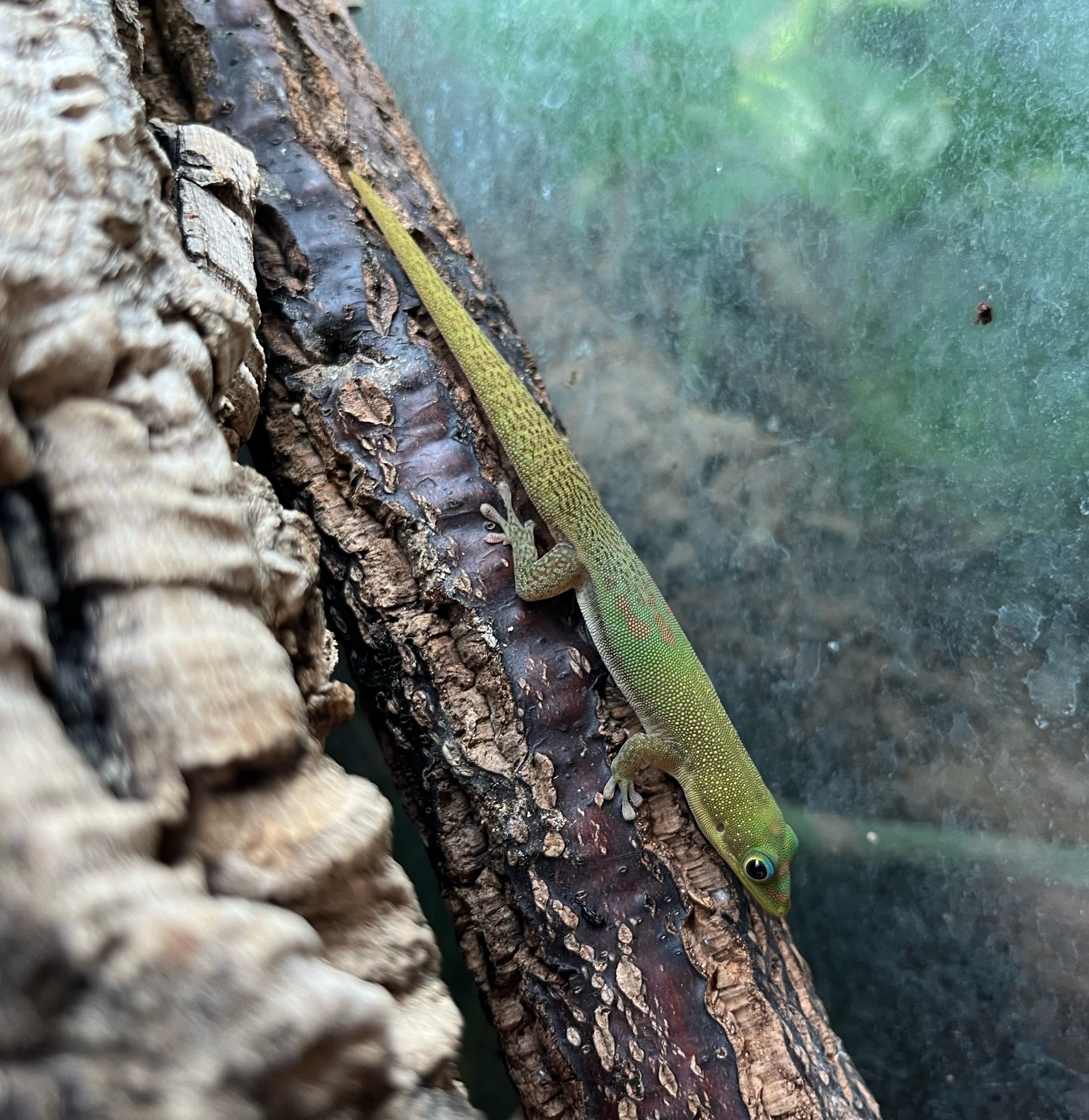
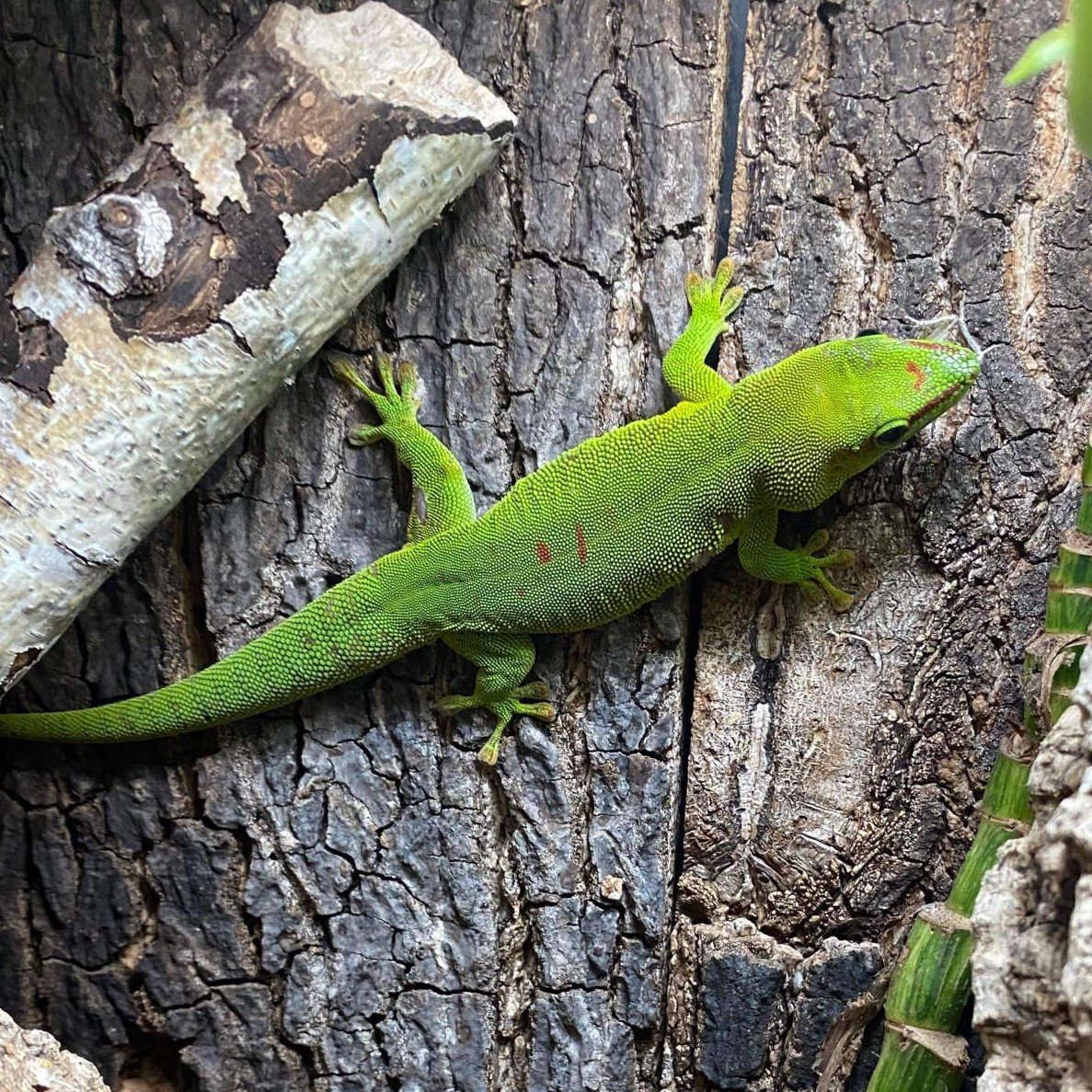
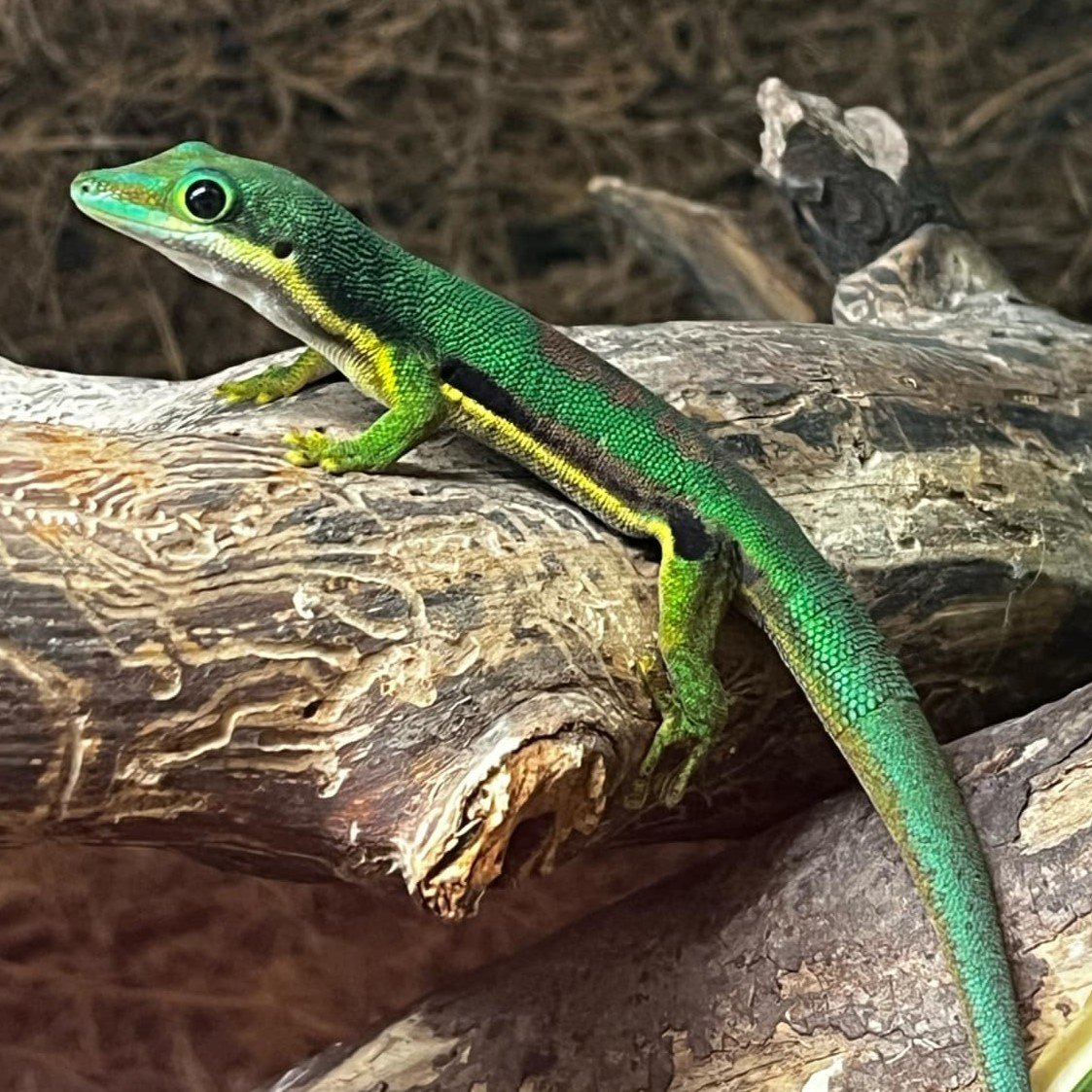
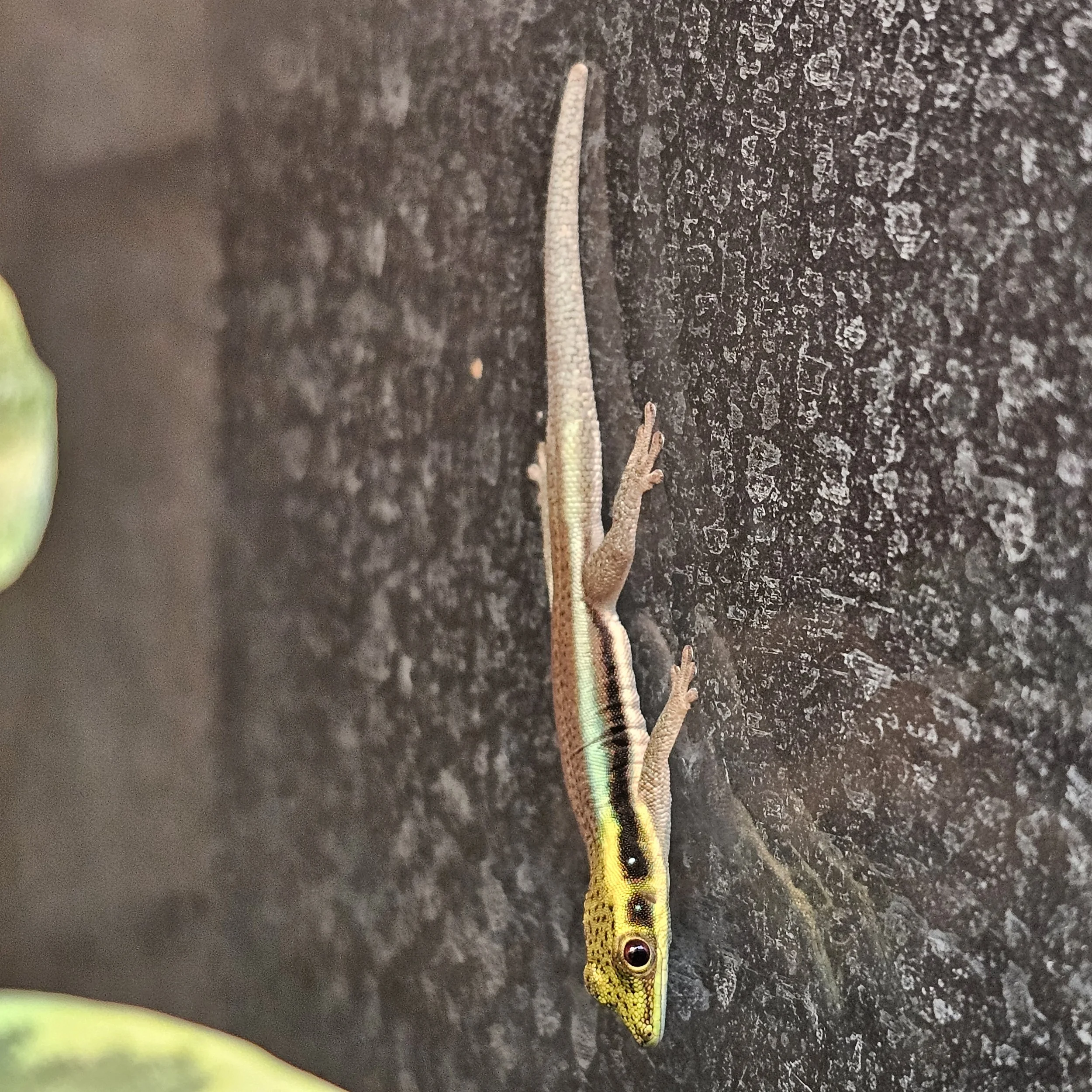
Yellow-headed Day Geckos, also known as Neon Day Geckos (Phelsuma klemmeri) due to their bright colours, are a small and striking Day gecko species that are almost always out on display during the day, making them perfect additions to a bioactive display enclosure!
Picture taken April 2026
For sale in our Bracknell reptile shop
Age: CB25 Juvenile
Sex: Unsexed
Priced individually
Handling: Best kept as a display pet due to their sensitive skin
Suitability: Well-researched beginner
Diet: Crested Gecko Diet and live insects
This species does best in bioactive, live-planted glass terrariums with plenty of naturalistic decoration. The minimum size enclosure for a single/ pair of Neon Day Geckos is a 30×30×45cm glass terrarium.
They should be provided with a thermostatically controlled heat source- either a heat mat on an outside wall of the enclosure, or overhead heating is preferred as they do enjoy basking.
UV lighting is strongly recommended. They have humidity requirements of 60-70% which should be maintained without the environment becoming stagnant.
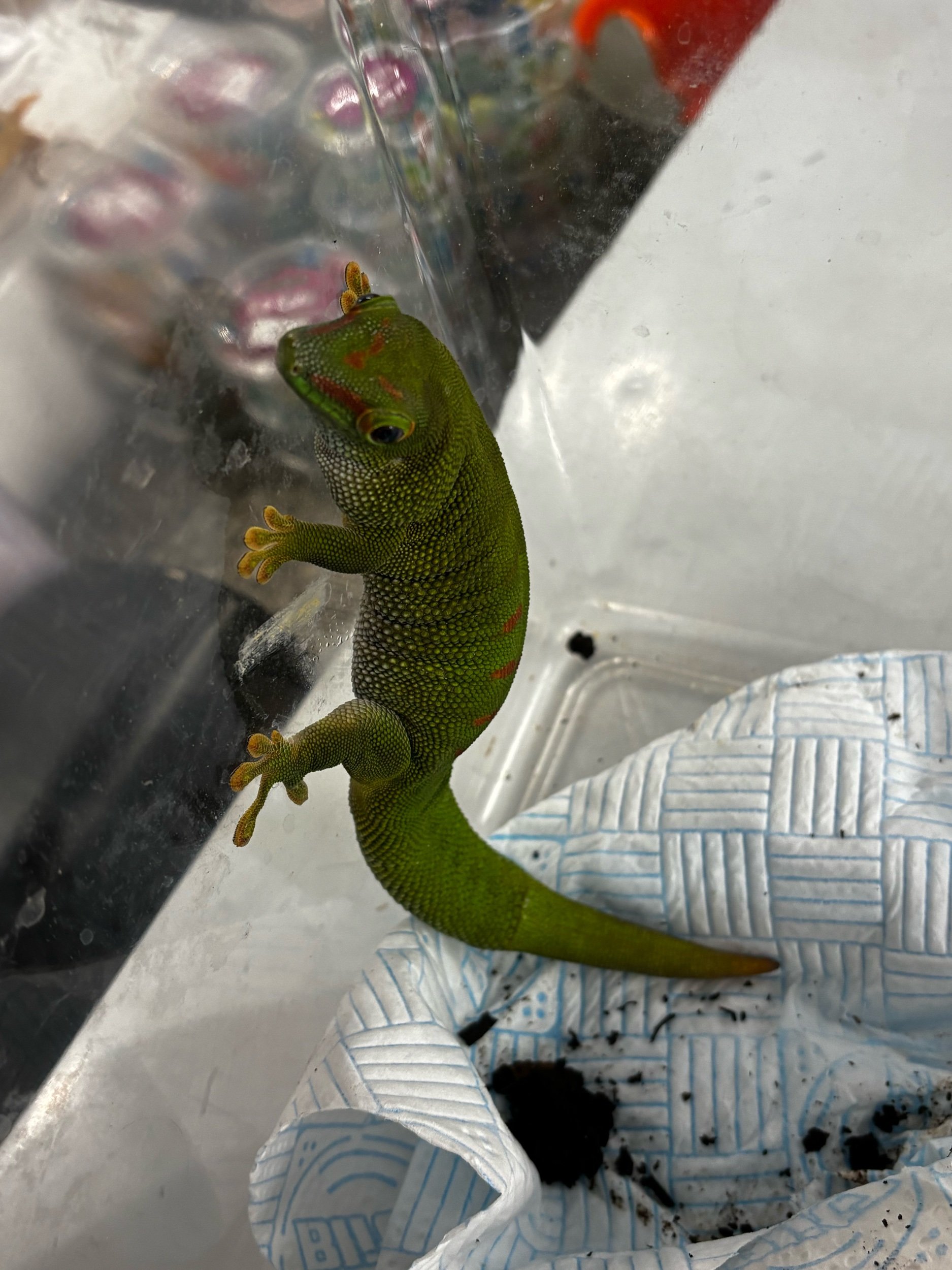
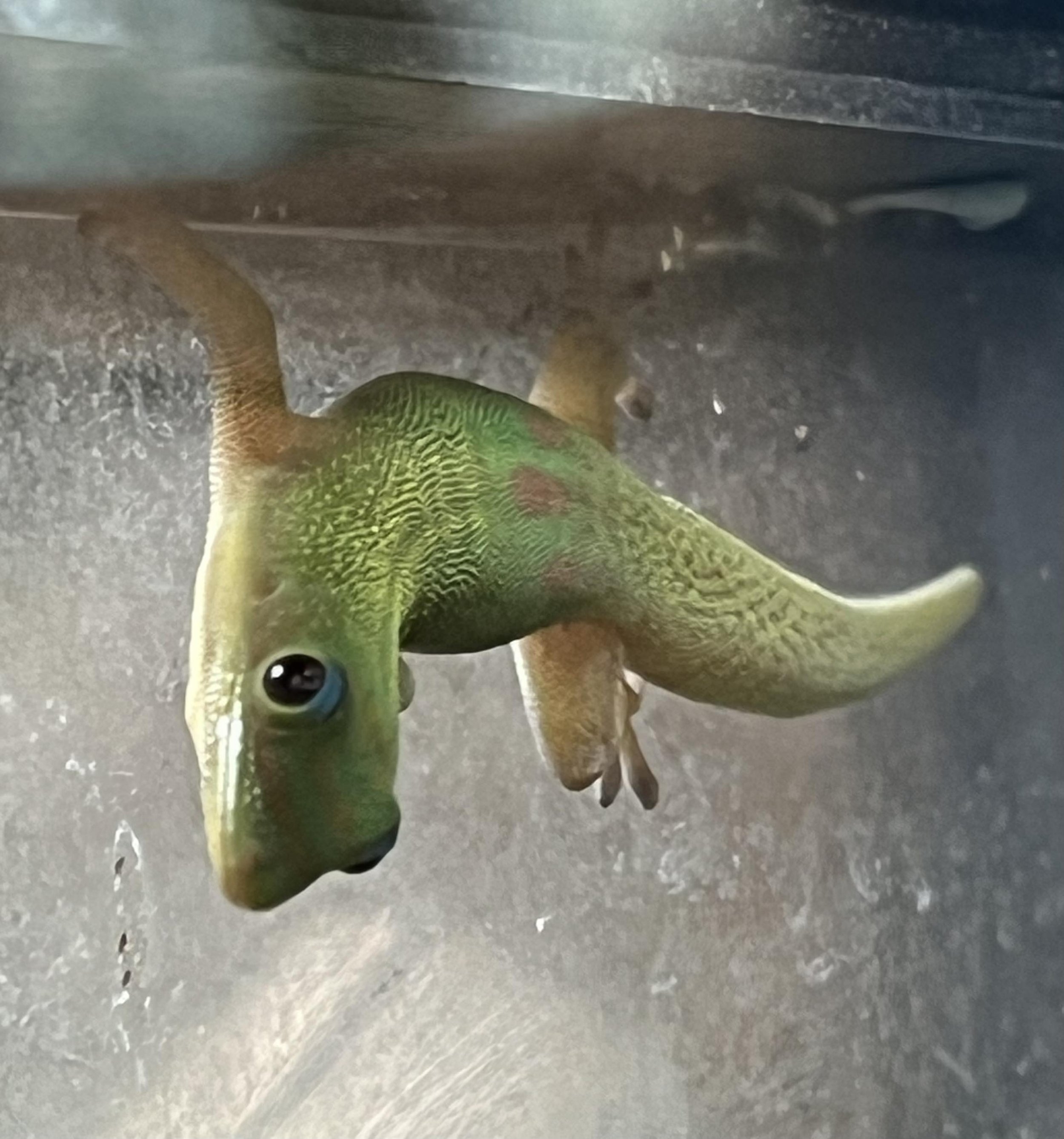
Yellow-headed Day Geckos, also known as Neon Day Geckos (Phelsuma klemmeri) due to their bright colours, are a small and striking Day gecko species that are almost always out on display during the day, making them perfect additions to a bioactive display enclosure!
Picture taken April 2026
For sale in our Bracknell reptile shop
Age: CB25 Juvenile
Sex: Unsexed
Priced individually
Handling: Best kept as a display pet due to their sensitive skin
Suitability: Well-researched beginner
Diet: Crested Gecko Diet and live insects
This species does best in bioactive, live-planted glass terrariums with plenty of naturalistic decoration. The minimum size enclosure for a single/ pair of Neon Day Geckos is a 30×30×45cm glass terrarium.
They should be provided with a thermostatically controlled heat source- either a heat mat on an outside wall of the enclosure, or overhead heating is preferred as they do enjoy basking.
UV lighting is strongly recommended. They have humidity requirements of 60-70% which should be maintained without the environment becoming stagnant.